In the immediate aftermath of a rideshare collision, confusion often replaces clarity. Drivers, passengers, and even pedestrians involved in Uber or Lyft crashes frequently make decisions under stress that later affect how fault, damages, and liability are evaluated. From a legal standpoint, those early actions can shape how insurers, courts, and investigators interpret responsibility. Insights commonly associated with a Dallas Uber and Lyft accident lawyer handling complex rideshare injury claims tend to focus less on dramatic courtroom arguments and more on the quieter mistakes that happen long before litigation begins.
Because Texas applies specific negligence and comparative fault standards, rideshare crashes introduce layers of insurance coverage and statutory interpretation that differ from ordinary car accidents. Understanding what not to do is often as important as knowing what steps are required. The following discussion examines recurring post-crash errors through the analytical lens commonly used by a Dallas Uber and Lyft accident lawyer experienced with Texas rideshare liability rules, while maintaining a neutral and educational perspective.
Understanding Why Post-Crash Decisions Matter in Dallas Rideshare Accidents
Uber and Lyft collisions are not governed solely by general traffic law principles. Texas law allows multiple insurance policies to apply depending on whether the rideshare driver was logged into the app, actively transporting a passenger, or driving for personal reasons. A Dallas Uber and Lyft accident lawyer evaluating insurance phase distinctions typically reviews app status, digital trip records, and policy triggers to determine coverage thresholds.
Mistakes made immediately after the crash can obscure these distinctions. Statements, omissions, or delays may cause insurers to dispute coverage or shift blame. This is particularly relevant in Dallas, where high traffic density and frequent rideshare usage increase the likelihood of multi-vehicle involvement and contested liability findings.
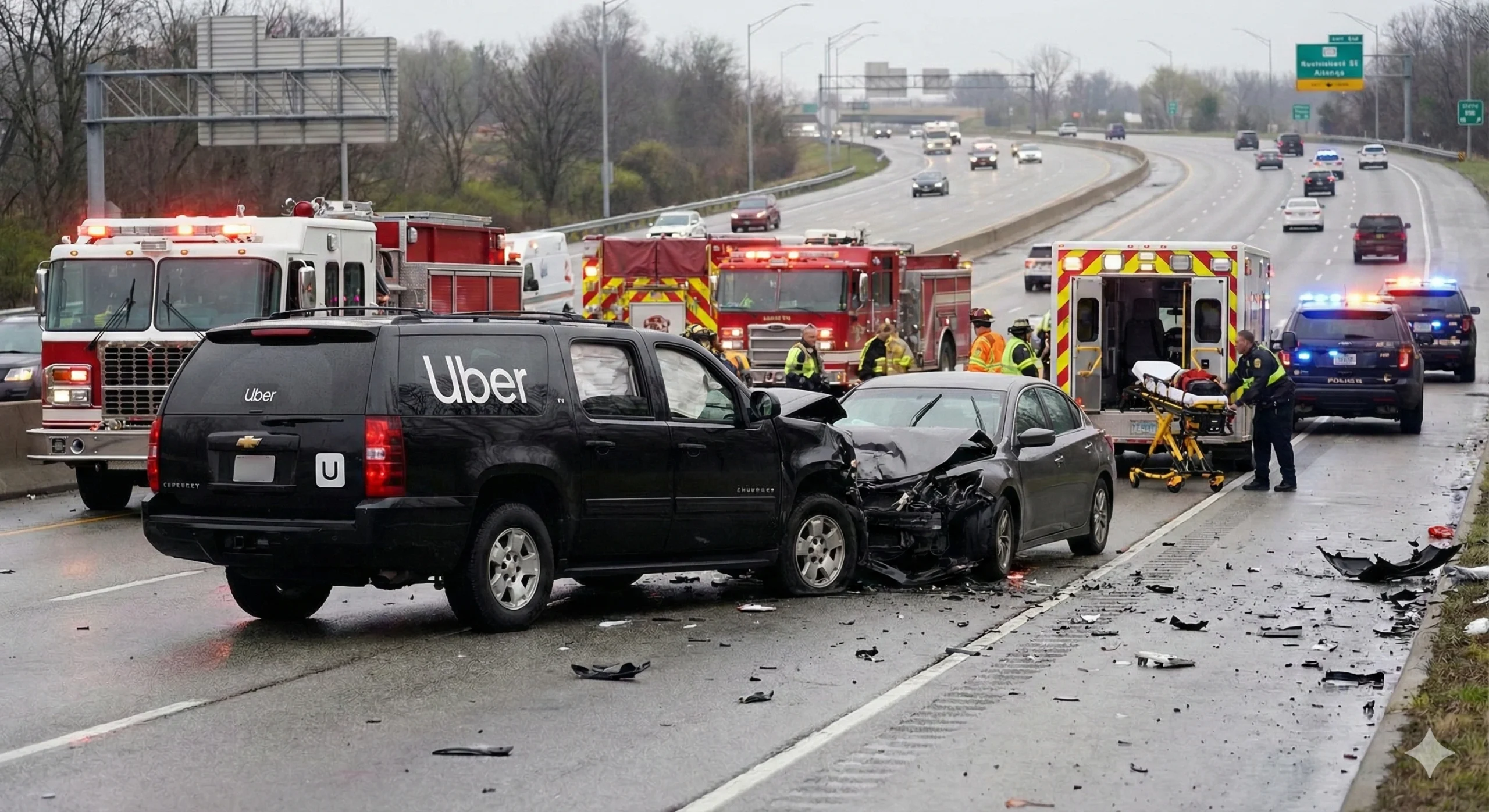
Failing to Seek Medical Evaluation After an Uber or Lyft Collision in Dallas
One of the most common errors observed in rideshare cases involves delaying or avoiding medical care. From a legal standpoint, injury documentation forms the foundation of any personal injury analysis. A Dallas Uber and Lyft accident lawyer reviewing injury causation issues often encounters situations where symptoms were initially dismissed, only to worsen days later.
Texas courts rely heavily on contemporaneous medical records when assessing whether injuries are crash-related. When treatment is delayed, insurers may argue that injuries were preexisting or caused by unrelated events. Even soft-tissue injuries, which are common in rideshare crashes, require timely evaluation to establish medical causation.
Beyond litigation concerns, prompt evaluation ensures compliance with best practices recommended by public safety agencies such as the Texas Department of Transportation, which emphasizes post-crash health assessments following vehicle collisions under state traffic safety guidelines found at https://www.txdot.gov/.
Providing Recorded Statements Without Context After a Dallas Rideshare Crash
Insurance adjusters often request recorded statements soon after an accident. While such requests may appear routine, they are not neutral fact-gathering exercises. A Dallas Uber and Lyft accident lawyer analyzing insurer communications recognizes that recorded statements are frequently used to identify inconsistencies or admissions that reduce claim value.
In rideshare cases, statements about speed, app usage, or distraction can have amplified consequences. Texas follows a modified comparative fault system, meaning that a claimant found more than fifty percent responsible may be barred from recovery. Even casual remarks made without legal context can be later characterized as admissions of partial fault.
This issue becomes more complex when multiple insurers are involved, including the driver’s personal carrier and Uber or Lyft’s commercial policy. Each insurer may evaluate the same statement differently, increasing the risk of misinterpretation.
Overlooking Digital Evidence in a Dallas Uber and Lyft Accident Claim
Modern rideshare cases often hinge on digital data rather than eyewitness testimony alone. Trip logs, GPS coordinates, app status timestamps, and driver activity records all play a role in reconstructing events. A Dallas Uber and Lyft accident lawyer assessing evidentiary integrity in rideshare litigation routinely examines whether such data was preserved.
Failure to document screenshots, ride receipts, or app notifications can result in lost evidence. Because rideshare platforms retain data for limited periods, delays may prevent retrieval. Without these records, establishing whether the driver was actively engaged in a ride becomes more difficult, which directly affects applicable insurance limits.
Digital evidence also assists accident reconstruction professionals in determining speed, braking patterns, and route deviations. When this information is missing, liability assessments rely more heavily on subjective accounts.
Misunderstanding Insurance Coverage Phases After a Dallas Rideshare Accident
Unlike standard car accidents, Uber and Lyft crashes involve coverage tiers. A Dallas Uber and Lyft accident lawyer interpreting Texas rideshare insurance statutes often encounters confusion regarding which policy applies at which moment.
If the driver was logged out of the app, personal auto insurance typically applies. If logged in but waiting for a ride request, limited contingent coverage may apply. If actively transporting a passenger, higher commercial limits are triggered. Misstatements about app status or failure to clarify timing can result in denied or reduced claims.
Insurance carriers may dispute coverage by alleging the driver was between phases. Without corroborating evidence, claimants may struggle to access the appropriate policy layer. This misunderstanding frequently stems from assumptions rather than deliberate misrepresentation, yet the legal consequences remain significant.
Speaking Directly With Rideshare Companies After a Dallas Uber or Lyft Crash
Another recurring issue involves direct communication with Uber or Lyft following an accident. While reporting requirements exist, extended discussions can inadvertently complicate matters. A Dallas Uber and Lyft accident lawyer familiar with corporate risk management practices recognizes that rideshare companies document all communications for internal and insurance purposes.
Statements made to platform representatives may later surface in coverage disputes or litigation. Unlike police reports, these internal records are not neutral narratives and may be framed to limit corporate exposure. Providing speculative explanations or accepting blame during these interactions can weaken later legal positions.
Texas law does not require injured parties to provide detailed liability narratives to rideshare companies beyond factual reporting. Over-communication often creates inconsistencies that insurers exploit.
Failing to Account for Comparative Negligence in Dallas Rideshare Claims
Texas applies a proportionate responsibility system that directly affects recovery. A Dallas Uber and Lyft accident lawyer applying comparative fault analysis evaluates how each party’s conduct contributed to the collision.
Actions such as not wearing a seatbelt, distracting the driver, or exiting the vehicle unsafely may be raised as fault-reducing arguments. When claimants fail to anticipate these arguments, they may be unprepared to address them with evidence or legal reasoning.
Comparative negligence assessments extend beyond drivers to passengers and third parties. Understanding how fault percentages are assigned helps explain why early documentation and careful communication matter throughout the process.
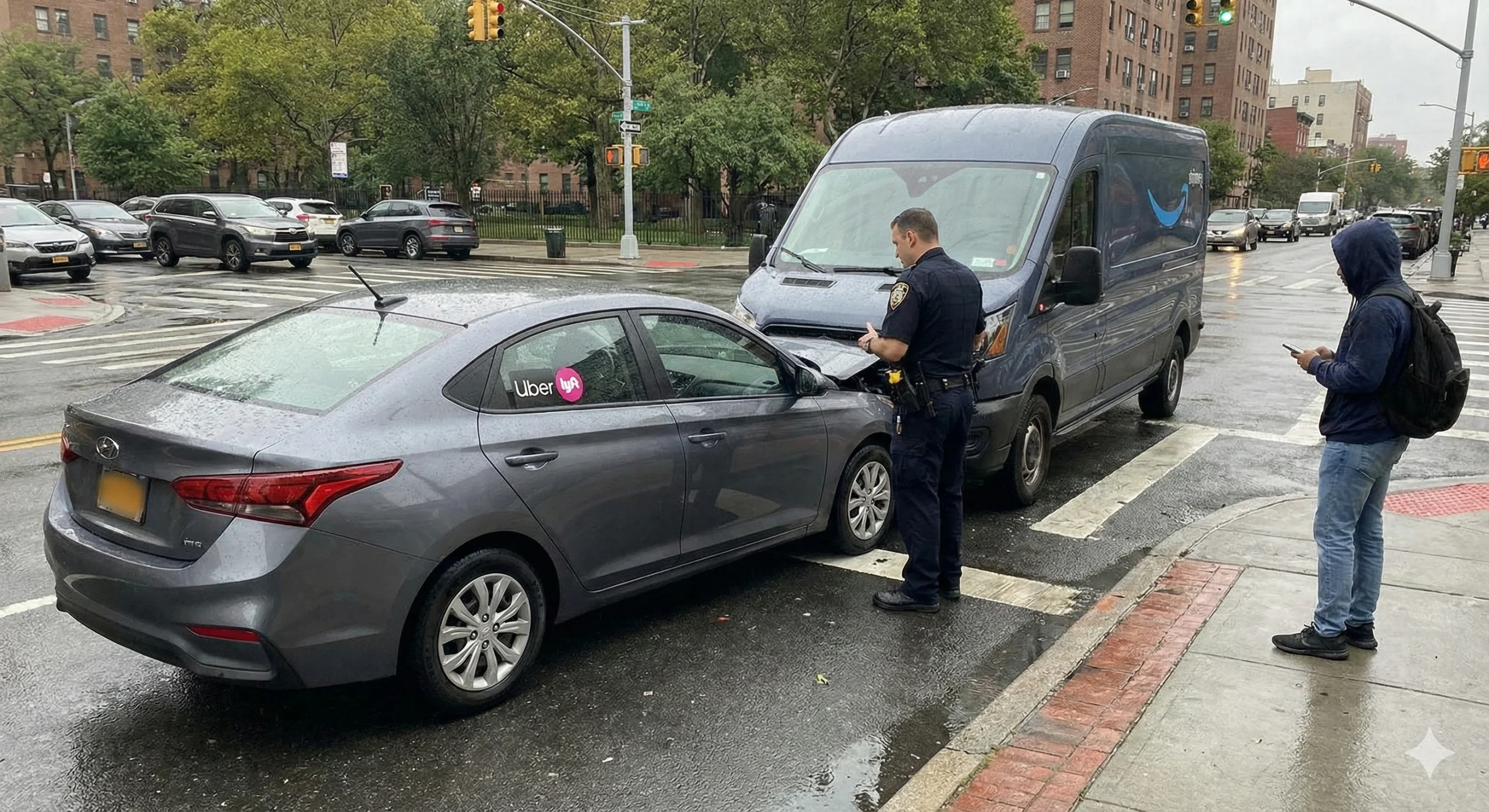
Ignoring Time Limits and Procedural Requirements After a Dallas Uber and Lyft Accident
Texas law imposes statutes of limitations on personal injury claims, generally requiring filing within two years of the accident date. A Dallas Uber and Lyft accident lawyer monitoring procedural deadlines frequently encounters claims compromised by delay.
Beyond filing deadlines, evidence preservation and notice requirements also matter. Surveillance footage, vehicle data, and electronic records may be overwritten or destroyed if not preserved in a timely manner. Once lost, courts rarely impose penalties unless formal preservation requests were made.
This procedural dimension underscores why early inaction can be as damaging as overt mistakes. The passage of time alone can erode claim viability.
How Legal Analysis Shapes Post-Crash Strategy in Dallas Rideshare Cases
The perspective of a Dallas Uber and Lyft accident lawyer experienced in rideshare litigation strategy emphasizes foresight rather than reaction. Each post-crash decision affects how insurers and courts reconstruct events months or years later.
Neutral documentation, timely medical evaluation, and awareness of insurance structures collectively influence outcomes. These considerations do not guarantee specific results, but they reduce avoidable weaknesses that often undermine otherwise valid claims.
For additional contextual understanding of how rideshare accident claims are evaluated under Texas personal injury principles, some legal analyses reference discussions associated with a Dallas Uber and Lyft accident lawyer explanation of rideshare liability frameworks, when reviewing general accident scenarios without promotional intent.
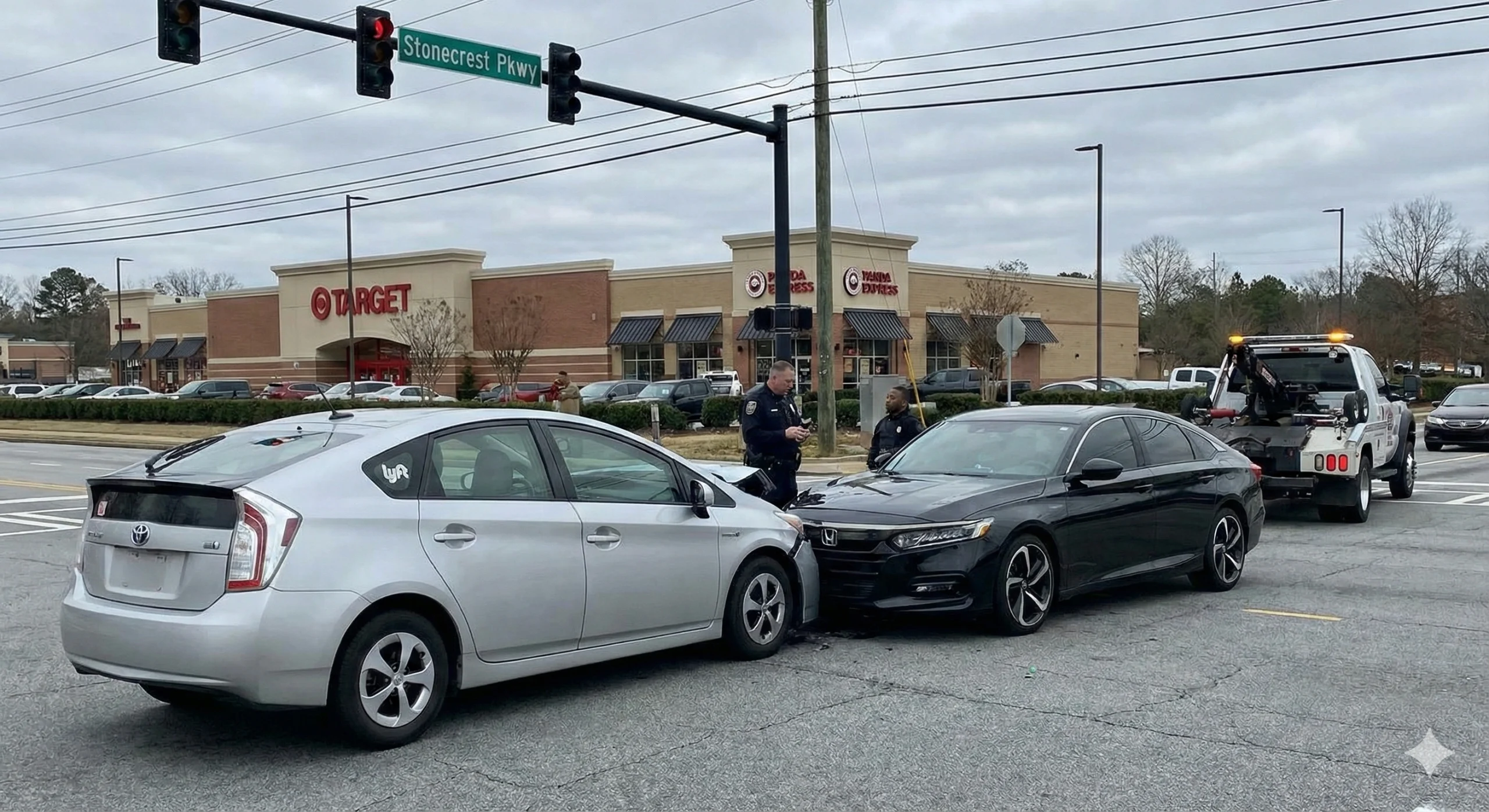
Concluding Observations on Avoidable Errors After Dallas Uber and Lyft Crashes
Uber and Lyft accidents differ from traditional vehicle collisions not because they are more dramatic, but because they involve layered responsibility structures and digital evidence considerations. The analytical approach associated with a Dallas Uber and Lyft accident lawyer focusing on post-collision decision-making consistently highlights preventable errors rather than extraordinary circumstances.
Avoiding these mistakes does not require legal expertise, only awareness of how actions are later interpreted. When claimants understand how early decisions interact with insurance evaluations, statutory standards, and evidentiary rules, they are better positioned to navigate the aftermath of a rideshare crash without unintentionally weakening their legal standing.