Traumatic brain injuries resulting from motor vehicle collisions often introduce a level of legal and medical complexity that differs substantially from other personal injury claims. Within North Carolina’s civil liability framework, even a seemingly straightforward car crash can evolve into a prolonged dispute when neurological injuries are alleged. Early interactions with Charlotte Brain Injury Attorneys handling car crash claims frequently shape the entire outcome of a case, yet many injured individuals unknowingly undermine their own legal position during these early stages.
Understanding how Charlotte Brain Injury Attorneys for traumatic car accident cases assess liability, damages, and evidentiary sufficiency requires more than surface-level familiarity with personal injury law. Brain injuries involve delayed symptom onset, evolving diagnoses, and disputed causation, all of which place heightened importance on procedural accuracy and strategic restraint. When mistakes occur at the outset, they can permanently limit recovery options regardless of injury severity.
The following discussion examines the most common missteps that arise when working with Charlotte Brain Injury Attorneys after a serious car crash, focusing on legal timing, medical documentation, communication boundaries, and evidentiary preservation. Each section reflects established civil procedure standards, North Carolina negligence law, and recognized medico-legal principles that govern traumatic brain injury litigation.
Misunderstanding the Role of Charlotte Brain Injury Attorneys in Post-Crash Investigations
One of the earliest and most consequential mistakes involves misunderstanding how Charlotte Brain Injury Attorneys investigating car crash brain injuries operate during the initial phase of a claim. Unlike general injury cases that rely heavily on visible physical trauma, brain injury claims require a layered evidentiary approach that integrates medical imaging, neurological assessments, accident reconstruction, and longitudinal symptom tracking.
Many individuals assume that providing hospital discharge papers alone is sufficient for legal evaluation. In reality, Charlotte Brain Injury Attorneys handling mild to severe TBI cases must establish a causal bridge between the collision forces and the neurological impairment. This process often requires early coordination with neurologists, neuropsychologists, and radiologists, as well as preservation of vehicle damage evidence and crash scene data.
When injured parties delay contact or restrict access to records, Charlotte Brain Injury Attorneys reviewing accident-related brain trauma may be forced to rely on incomplete information. This can weaken expert testimony and invite defense challenges regarding alternative causation, such as pre-existing conditions or intervening events. Courts routinely scrutinize causation in TBI cases, and gaps in early investigation frequently become focal points during litigation.
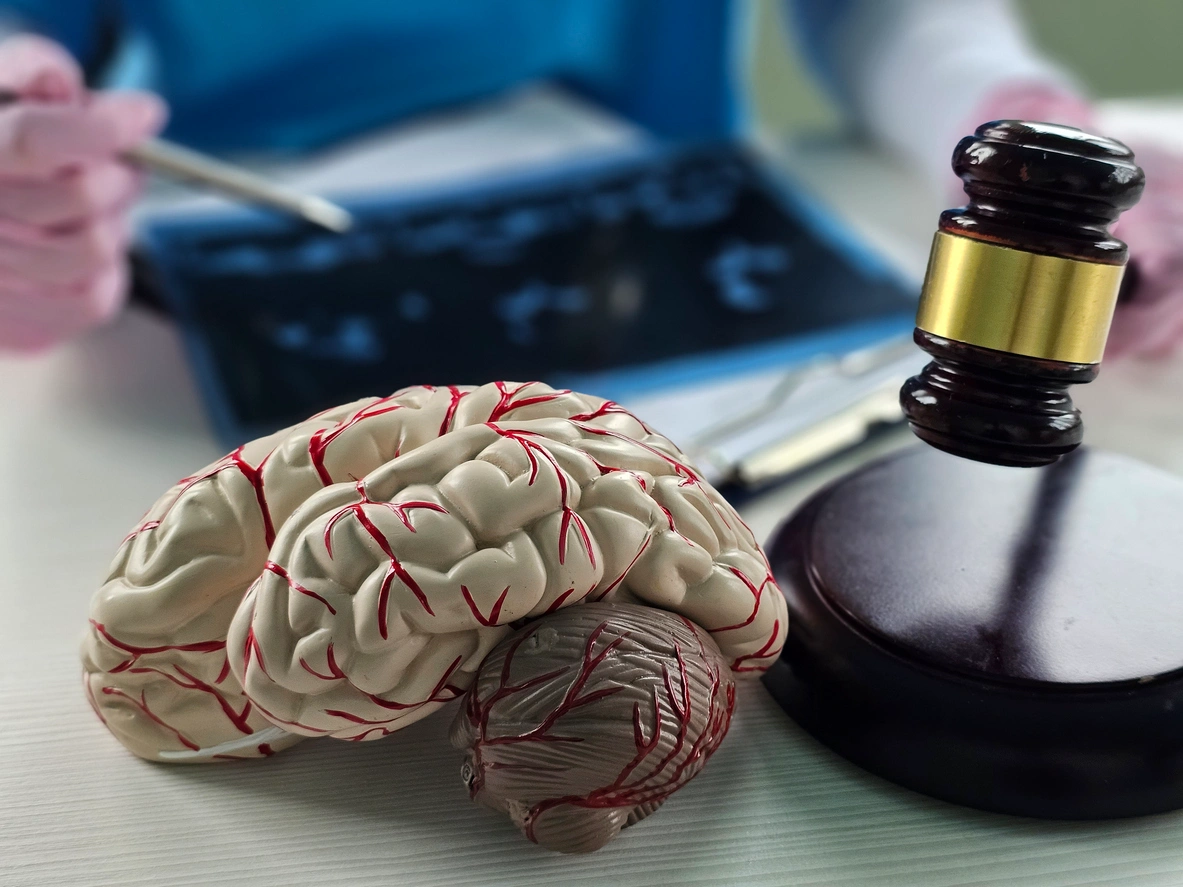
Failing to Align Medical Treatment with Charlotte Brain Injury Attorneys Case Strategy
Another frequent error arises when medical treatment proceeds without coordination with Charlotte Brain Injury Attorneys managing post-crash neurological injury claims. While legal professionals do not direct medical care, alignment between treatment documentation and legal strategy is essential. Brain injuries often present with subtle cognitive deficits that evolve over time, making consistent clinical documentation critical.
When patients discontinue treatment prematurely or seek inconsistent providers, Charlotte Brain Injury Attorneys handling complex brain injury litigation may encounter difficulties establishing injury permanence or severity. Insurance defense teams often exploit gaps in care to argue symptom exaggeration or recovery. Courts evaluating damages rely heavily on continuity of care and objective findings, particularly in cases involving mild traumatic brain injuries.
North Carolina courts apply established evidentiary standards requiring expert medical testimony to substantiate neurological impairment. Without coherent medical narratives, Charlotte Brain Injury Attorneys representing car crash brain injury victims may face challenges meeting admissibility thresholds for expert opinions. This issue becomes more pronounced when imaging studies are delayed or cognitive testing is incomplete.
Overlooking Statutory Deadlines Recognized by Charlotte Brain Injury Attorneys
Statutory compliance errors remain among the most damaging mistakes encountered by Charlotte Brain Injury Attorneys advising car accident brain injury cases. North Carolina imposes a strict statute of limitations for personal injury claims, generally requiring filing within three years of the injury date. However, brain injury cases often involve delayed diagnosis, leading injured individuals to underestimate urgency.
While certain legal doctrines may extend filing deadlines in limited circumstances, Charlotte Brain Injury Attorneys familiar with North Carolina civil procedure caution that reliance on exceptions is risky. Courts apply these doctrines narrowly, and failure to preserve claims within statutory periods frequently results in dismissal regardless of injury severity.
In addition to filing deadlines, procedural rules govern notice requirements, expert disclosures, and evidentiary submissions. Charlotte Brain Injury Attorneys handling litigation after car crashes must comply with pretrial scheduling orders and discovery deadlines that are unforgiving in nature. When injured parties delay engagement or provide incomplete information, compliance becomes increasingly difficult.
Government guidance on civil court procedures and filing requirements is available through authoritative resources such as https://www.nccourts.gov, which outlines procedural timelines and judicial expectations. Familiarity with these standards is essential for anyone navigating litigation involving traumatic brain injuries.
Communicating Directly with Insurers Against Charlotte Brain Injury Attorneys Guidance
Direct communication with insurance adjusters represents another recurring mistake encountered by Charlotte Brain Injury Attorneys dealing with post-collision brain trauma. Insurance investigations often begin immediately after a crash, sometimes before neurological symptoms fully manifest. Statements made during this period can later be used to challenge injury claims.
Brain injuries frequently involve cognitive impairments affecting memory, concentration, and verbal processing. When injured individuals provide recorded statements, inconsistencies may arise unintentionally. Charlotte Brain Injury Attorneys protecting clients with neurological impairments recognize that such inconsistencies are often mischaracterized as credibility issues.
Insurance companies operate under contractual and statutory frameworks designed to limit exposure. Without legal representation, injured parties may inadvertently disclose information that undermines causation or damages arguments. Courts permit the admission of early statements, even when made without legal counsel, provided they meet evidentiary standards.
Underestimating Long-Term Damages Evaluated by Charlotte Brain Injury Attorneys
A final critical mistake involves underestimating the long-term implications of traumatic brain injuries when working with Charlotte Brain Injury Attorneys assessing car crash compensation. Unlike orthopedic injuries, brain injuries may produce lifelong cognitive, emotional, and behavioral effects that are not immediately apparent.
Economic damages extend beyond immediate medical expenses to include future treatment, cognitive rehabilitation, lost earning capacity, and vocational limitations. Charlotte Brain Injury Attorneys calculating long-term neurological damages must rely on life care plans and economic projections grounded in medical evidence.
Non-economic damages, including diminished quality of life and loss of cognitive function, are equally complex. North Carolina law permits recovery for such damages, but courts require persuasive evidence linking the injury to the claimed impairments. When injured individuals settle prematurely or fail to document evolving symptoms, Charlotte Brain Injury Attorneys handling settlement negotiations may be constrained in their ability to pursue full compensation.
Access to comprehensive legal analysis regarding traumatic brain injury claims in Charlotte can be found through resources discussing Charlotte Brain Injury Attorneys handling complex neurological injury cases which outlines the legal considerations involved in these matters.

The Broader Legal Consequences Addressed by Charlotte Brain Injury Attorneys
Beyond individual case outcomes, mistakes made during brain injury litigation can influence broader legal determinations, including comparative negligence assessments and evidentiary rulings. North Carolina follows a contributory negligence doctrine, under which any degree of plaintiff fault may bar recovery. Charlotte Brain Injury Attorneys evaluating accident liability must therefore approach every evidentiary decision with heightened caution.
Inconsistent statements, incomplete medical records, or delayed action can inadvertently support defense arguments regarding fault or causation. Courts apply established judicial standards when weighing such evidence, often with little flexibility once records are finalized.
By understanding how Charlotte Brain Injury Attorneys managing car crash brain injury claims navigate these challenges, injured individuals can better appreciate the importance of procedural discipline and strategic coordination. Avoiding the mistakes outlined above does not guarantee a particular outcome, but it preserves the legal integrity of a claim and aligns it with the evidentiary expectations of North Carolina courts.
Conclusion: Legal Precision Matters When Working with Charlotte Brain Injury Attorneys
Traumatic brain injury litigation occupies a distinct space within personal injury law, demanding precision, patience, and informed decision-making. Errors made early in the process often reverberate throughout the life of a case, limiting options and complicating proof.
Working effectively with Charlotte Brain Injury Attorneys experienced in car crash neurological injuries requires an understanding of their investigative role, respect for procedural timelines, and awareness of the long-term nature of brain injury damages. By avoiding common missteps related to communication, documentation, and timing, injured individuals place themselves in a stronger position within an inherently complex legal landscape.
The principles discussed here reflect established legal standards rather than advocacy or promotion. They underscore the reality that brain injury claims are not merely extensions of typical accident cases but require specialized handling grounded in law, medicine, and evidence.